On the role of a correspondent attorney in South Africa’s judicial capital and why the firm you appoint there matters more than the distance suggests.
Most litigation in South Africa is fought from somewhere other than Bloemfontein. Counsel sits in Sandton, instructing attorneys work out of Cape Town or Durban, and the client may never have set foot in the Free State. Yet at some point, often the most decisive point, the matter passes through a small set of buildings in this city. Records of appeal are lodged here. Pleadings are filed here. Practice notes are stamped here. And whether that happens cleanly, on time, and on the right scale of costs comes down to one person: the correspondent attorney on the ground.
The role is unglamorous. It rarely makes the headnotes. It does, however, decide whether an appeal is heard on its merits or struck off the roll for a procedural defect that could have been caught by someone who walks past the Registrar’s office every morning.
The geography of the courts
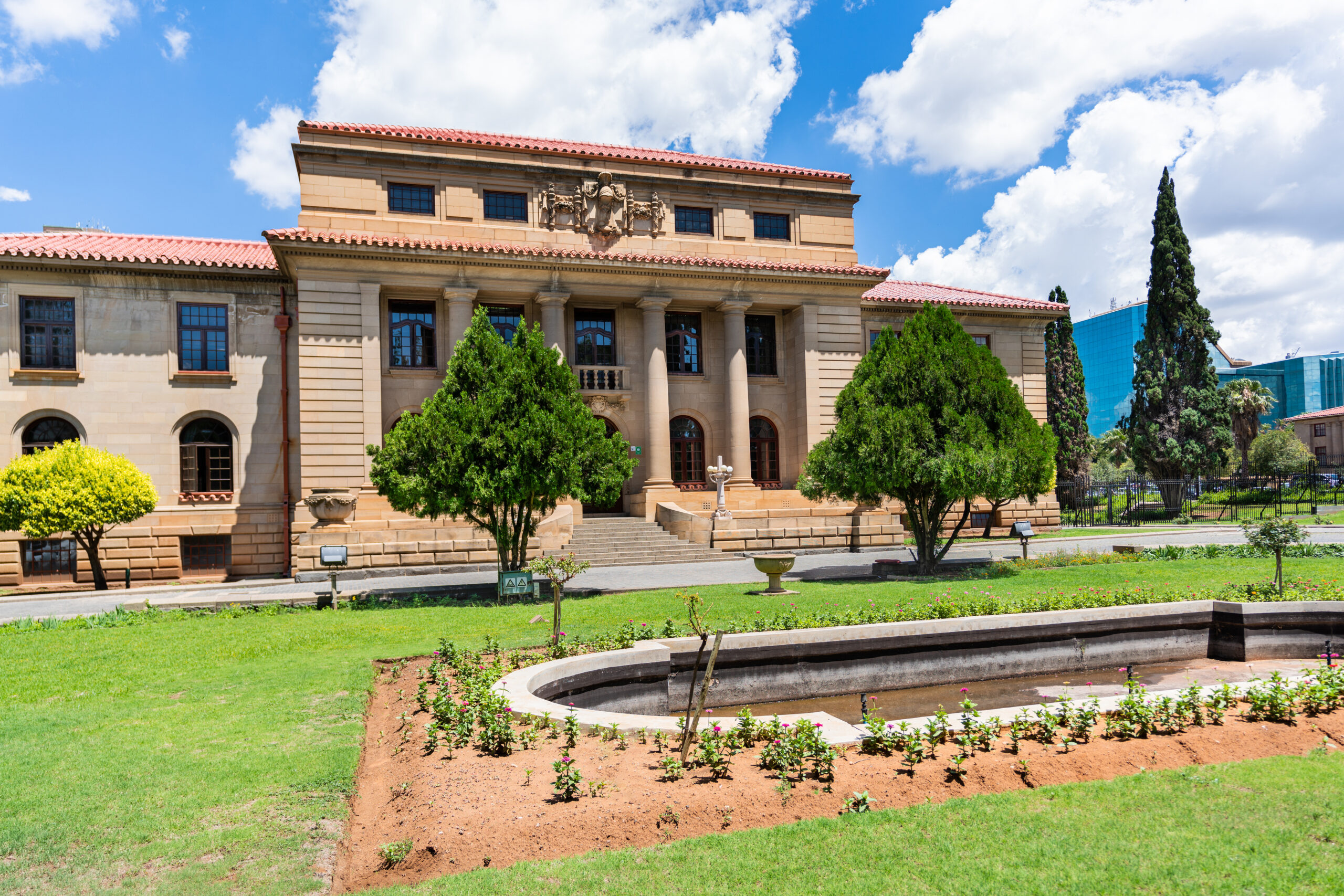
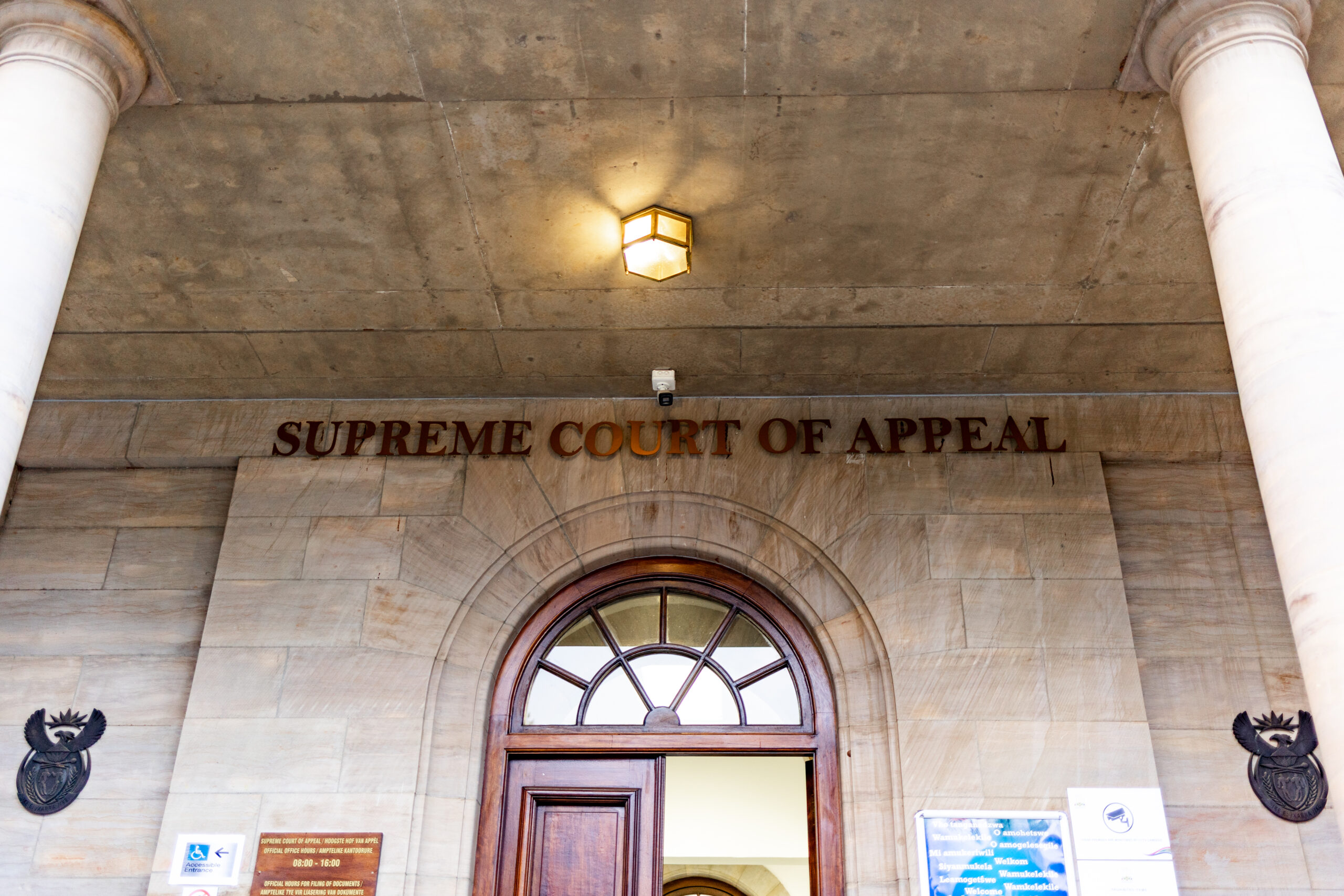
Bloemfontein is the seat of the Supreme Court of Appeal, the country’s second-highest court and the appellate destination for every matter outside the constitutional jurisdiction of the Constitutional Court. That fact alone makes the city procedurally significant. Add the Free State Division of the High Court, the Bloemfontein Magistrates’ Court, the Master of the High Court, the Deeds Office, and the regional sittings of the Land Claims Court and the Labour Court, and you have a concentration of judicial machinery that a firm operating from anywhere else in the country must, sooner or later, reach into.
Reaching in by post is no longer viable. Reaching in by courier is slow and expensive. Reaching in through a colleague who happens to know someone in Bloemfontein is haphazard. The professional answer is to appoint a correspondent, a local firm of admitted attorneys whose practice is, in part, dedicated to acting on the instructions of out-of-province colleagues.
What a correspondent actually does
The work falls into a handful of recognisable buckets, and it is worth setting them out plainly because the term “correspondent attorney” can otherwise sound vaguer than it is.
Filing at the Supreme Court of Appeal. This is the work most associated with the role. Records of appeal, heads of argument, practice notes, condonation applications, and replies to directives from the Registrar all need to be physically lodged, on the right paper, in the right format, before the right deadline. The SCA’s rules are unforgiving on procedure, and the unwritten conventions about pagination, indexing, and copies are not in any rulebook a Johannesburg attorney is going to find on a Friday afternoon.
Free State High Court correspondence. Urgent applications, motion court appearances, opposed and unopposed roll attendance, pre-trial conferences, and the full management of pleadings in matters seated in the Free State Division. The correspondent functions as the instructing firm’s procedural shadow in the jurisdiction.
Magistrates’ Court work. Service and filing of summonses, judgments, warrants of execution, and section 65 enquiries within the Bloemfontein Magistrates’ District. This is the high-volume, low-glamour work that nonetheless decides whether a debt-recovery matter is concluded in three months or twelve.
Acting as service address. Under Uniform Rule 4A, parties may be required to nominate a service address within the jurisdiction. A Bloemfontein correspondent fulfils that role, receiving served process, scanning it, and reporting promptly to the instructing firm.
Document upliftment. Certified copies, court file retrieval, Master of the High Court searches, Deeds Office attendance. The work is procedural but time-sensitive: a delay of three days on a certified document can collapse a closing.
Settlement and mediation attendance. Where the instructing firm cannot send senior counsel for a pre-trial conference, judicial settlement conference, or mediation, the correspondent attends as the firm’s professional presence.
Why precision matters more than enthusiasm
It is tempting, when appointing a correspondent, to look for the friendliest reply or the lowest quoted rate. Both are misleading proxies for what actually matters, which is procedural compliance. The Rules Regulating the Conduct of the Proceedings of the Supreme Court of Appeal, the Uniform Rules of Court, and the various Magistrates’ Court Rules are detailed instruments. They reward firms that work with them daily. They punish, sometimes catastrophically, firms that approach them occasionally.
A misfiled record. An index out of order. A practice note delivered a day late. Each of these can cost a client months of additional delay and tens of thousands of rands in wasted costs, and each of them is the kind of error that a correspondent who is in court every day simply does not make.
The right question to ask of a prospective correspondent is therefore not “what do you charge?” but “how often are you in the building?” The two are related, but the second is the one that protects the client.
The economics, briefly
Correspondent fees are, in principle, regulated. The High Court correspondent tariff governs work at the High Court and the Supreme Court of Appeal. The Magistrates’ Court correspondent tariff governs work at that level. A reputable correspondent applies these scales transparently, itemises disbursements, and renders an account that the instructing firm can pass on to the client without embarrassment.
What varies between firms is not the headline rate but the disbursements, the speed of accounting, and the willingness to provide proofs of filing in real time. A correspondent who delivers an itemised invoice with stamped proof of filing within twenty-four hours of attending court is offering the instructing firm something materially more valuable than one who renders an account a month later with a covering email.
A workable instruction model
For instructing attorneys without an established Bloemfontein correspondent, the practical sequence is short and worth standardising:
- The brief is sent by email. The matter, the parties, the action required, and the deadline are stated plainly. The correspondent acknowledges receipt during court hours, typically within the hour.
- The file is opened and allocated. A dedicated attorney at the correspondent firm takes ownership. A file reference is issued back to the instructing firm. The expected timeline is confirmed.
- The attendance is carried out. Filing, service, court appearance, or upliftment is completed. A report goes back to the instructing firm the same day, by email if it is a status update, by telephone if there is anything to be decided.
- An account is rendered. Itemised, on the prescribed correspondent tariff, with proofs of filing and any disbursements attached.
The simplicity of this cycle is the point. A correspondent relationship done well is invisible to the underlying client. They never have to know that their Cape Town attorney did not personally walk into the Free State High Court. The procedural integrity of their matter is preserved entirely by the work of a firm they may never meet.
A note on choosing
Bloemfontein has more law firms than its size suggests, and most of them will accept correspondent instructions. The narrower question, which firms make correspondent work a core part of their practice rather than an occasional favour to colleagues, produces a much shorter list. Among the firms that do this work daily, Mayet & Associates Inc. is one of the most established correspondent practices in the city. The firm’s office at 14 Louw Wepener Street in Dan Pienaar sits within three kilometres of the Supreme Court of Appeal and the Free State High Court, and its litigation team handles correspondent matters for instructing attorneys across South Africa.
For urgent filings received before 11:00, same-day attendance is the standard. Briefs are received at admin@mayet.law or 051 492 5668. The firm bills on the prescribed correspondent tariff, itemises disbursements, and reports back the same court day.
This article was prepared as an informational piece on correspondent attorney practice in Bloemfontein. It is not legal advice. Instructing attorneys requiring a Bloemfontein correspondent are welcome to contact Mayet & Associates Inc. directly.