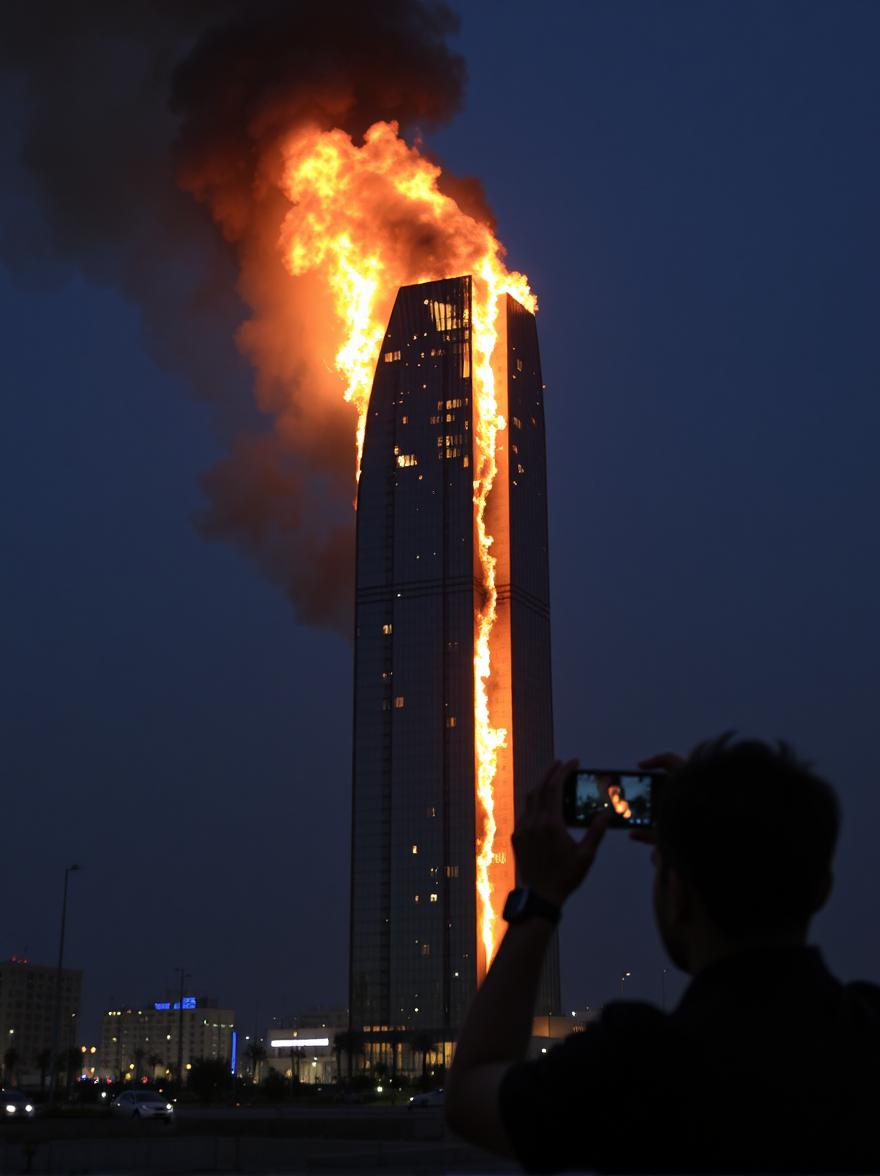
In an era where information travels instantly, videos of missile strikes and military activity often appear on social media within minutes. While many people share this content believing they are raising awareness or reporting on current events, the legal consequences, particularly in conflict regions such as the Middle East, can be far more serious than most realise.
At Mayet & Associates, we are increasingly cautioning clients, including South Africans living or travelling abroad, that posting such content is not risk-free. In some jurisdictions, it can expose individuals to criminal liability, immigration consequences, and even allegations linked to national security or terrorism.
National Security Laws: A Very Low Tolerance Approach
Across many Middle Eastern jurisdictions, laws governing national security are broad and strictly enforced. Governments often prohibit the publication or distribution of any material that could:
- Reveal military operations or locations
- Undermine state security narratives
- Interfere with defence strategies
Even where footage is already circulating online, reposting or sharing it may still be unlawful. Authorities may interpret such conduct as the unauthorised dissemination of sensitive information or, in some cases, as spreading misinformation.
In countries with stringent censorship regimes, individuals do not need to be journalists or activists to fall foul of these laws, ordinary social media users can be prosecuted.
Anti-Terrorism Laws: Unexpected Legal Exposure
Another significant risk lies in how anti-terrorism legislation is applied. In several jurisdictions, these laws are drafted very broadly and can capture conduct that may seem entirely innocent.
For example:
- Sharing footage of attacks could be interpreted as promoting or amplifying violent acts
- Content may be linked, correctly or incorrectly, to extremist groups
- Authorities may view reposting as aiding the spread of propaganda
The threshold for liability is often lower than expected. Individuals have, in some cases, faced serious charges simply for distributing content that authorities consider sensitive or harmful.
Privacy, Dignity, and the Protection of Victims
Conflict footage frequently shows injured civilians, fatalities, or the destruction of homes and communities. Publishing this type of content raises additional legal concerns.
In many jurisdictions, the law protects:
- The privacy of individuals captured in distressing situations
- The dignity of victims and their families
- The right not to have traumatic events publicly exposed without consent
- Posting such material, especially without context or permission, can result in both criminal and civil liability.
International Law and Evidentiary Risks
There is also an often-overlooked dimension: international law.
Footage of military strikes can potentially form part of investigations into violations of international humanitarian law. However, once such content is altered, edited, or shared without proper context, it may:
- Lose evidentiary value
- Be considered misleading
- In extreme cases, amount to interference with investigations
This creates further legal exposure, particularly for individuals operating in or connected to conflict zones.
Real Consequences for Individuals
The risks are not theoretical. Individuals who post or share sensitive footage may face:
- Criminal prosecution under national security or anti-terrorism laws
- Civil claims for invasion of privacy or emotional harm
- Immigration consequences, including visa refusals or deportation
- Placement on watchlists affecting international travel
- A Direct Warning to South Africans Abroad
We specifically caution South Africans living, working, or travelling abroad, particularly in high-risk regions, to exercise extreme care when posting online.
What may feel like harmless sharing, commentary, or even advocacy can be interpreted very differently by foreign authorities. Legal systems in conflict-affected regions do not always align with South African constitutional protections around freedom of expression.
In some cases, a single post can have lasting legal and personal consequences.
Final Thought
Sharing conflict-related footage is not a neutral act. It sits at the intersection of national security, criminal law, privacy rights, and international legal obligations.
Before posting, it is essential to ask: not just “Is this important?” but “Is this lawful where I am?”
When in doubt, the safest approach is simple, do not post.