1. Introduction
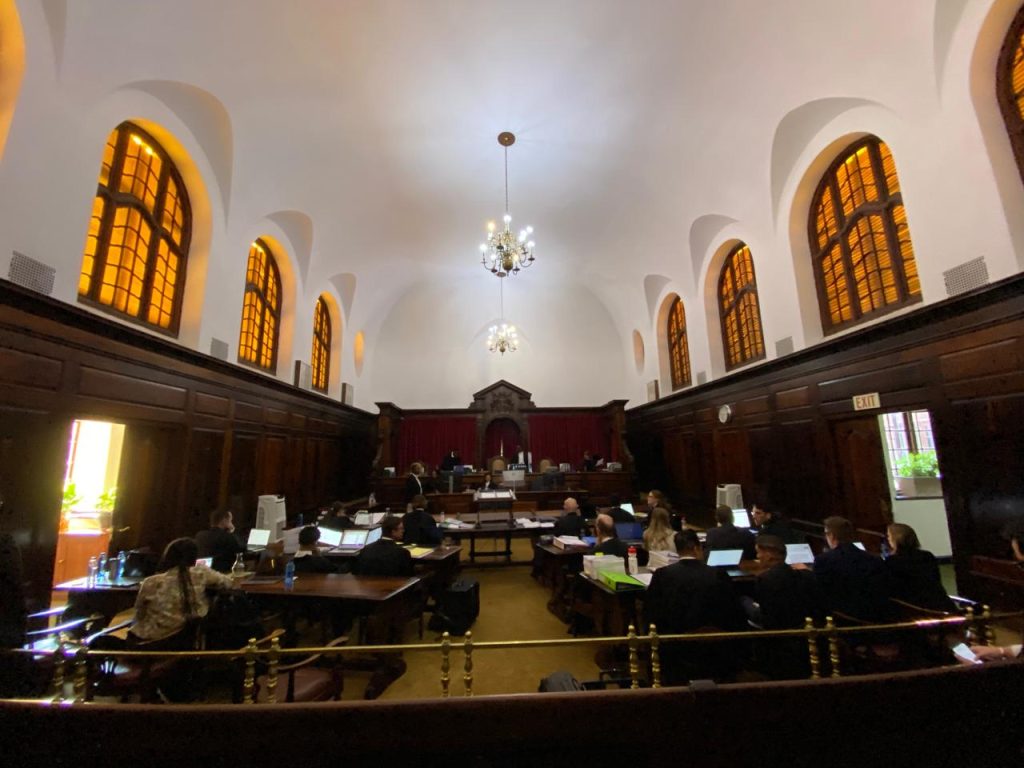
Access to the Supreme Court of Appeal (“SCA”) is strictly regulated in terms of the Control of Access to Public Premises and Vehicles Act 53 of 1985 (“the Act”).
A formal notice issued under the authority of the Office of the Chief Justice serves as a reminder that the SCA, as the apex appellate court in non-constitutional matters, operates within a high-security environment. Entry into the SCA building is therefore conditional, not automatic, even for legal practitioners.
This article explains how the access-control regime applies specifically to the Supreme Court of Appeal and what attorneys, advocates, litigants, correspondents and members of the public should expect in practice.
2. Legal Basis for Access Control at the SCA
The Act authorises the State to regulate access to designated public premises, including court buildings, in order to maintain:
- Security and safety;
- The dignity and authority of the judiciary; and
- The orderly functioning of judicial proceedings.
Given the SCA’s national jurisdiction and the sensitive nature of appellate proceedings, access control is applied rigorously at the Bloemfontein seat of the Court.
3. Powers of Authorised Officers at the SCA
Any person entering or attempting to enter the SCA premises may be required by an authorised officer to comply with the following:
3.1 Identification and Personal Details
- Produce valid proof of identity (including practitioner identification where applicable); and
- Provide personal details reasonably required for access and security records.
3.2 Inspection and Screening
- Declare and submit bags, parcels, briefcases, electronic devices and containers for inspection;
- Declare the possession of dangerous or prohibited items; and
- Submit to electronic screening (such as metal detectors) or physical screening where necessary.
These measures apply equally to advocates, attorneys, correspondents, litigants, journalists and observers.
4. Conditional Entry to the Supreme Court of Appeal
Permission to enter the SCA building may be granted subject to conditions, including:
- Access limited to specific floors, chambers, or courtrooms;
- Time-restricted entry, particularly outside of scheduled hearings;
- A requirement that visitors be escorted; or
- Withdrawal of access at any time, even after entry has been granted.
Importantly, entry into the SCA does not entitle a person to unrestricted movement within the building.
5. Consequences of Non-Compliance
Failure or refusal to comply with access-control requirements or instructions issued by authorised officers at the SCA may result in:
- Immediate denial of access or removal from the premises;
- Temporary seizure or confiscation of prohibited or unauthorised items;
- Referral to law-enforcement authorities; and
- Criminal prosecution in terms of the Act.
In practice, non-compliance may also result in reputational consequences for practitioners and delays or prejudice to a client’s matter.
6. Criminal Sanctions Under the Act
Any person who contravenes the Act commits a criminal offence and may be liable to:
- A fine of up to R2 000;
- Imprisonment for up to two (2) years; or
- Both a fine and imprisonment.
While prosecutions are not routine, the statutory penalties underscore the seriousness of security breaches at the SCA.
7. Implied Consent Upon Entry
By entering the Supreme Court of Appeal premises, all persons are deemed to:
- Acknowledge the access-control regime; and
- Consent to all lawful security and screening measures.
This implied consent limits subsequent objections to searches or screening conducted in accordance with the Act.
8. Practical Guidance for SCA Practitioners and Correspondents
For attorneys and advocates attending at the SCA, particularly correspondent attorneys—the notice highlights the following practical points:
- Always carry valid identification and practitioner credentials;
- Allow additional time for security screening, especially during sittings;
- Ensure clients are properly briefed on access restrictions;
- Avoid disputes with security personnel, whose authority flows directly from statute; and
- Remember that non-compliance can delay filings, consultations, or hearings.
9. Conclusion
The access-control notice issued under the authority of the Office of the Chief Justice reinforces that the Supreme Court of Appeal is a controlled judicial space, not an open public venue.
Compliance with security and access measures is a legal obligation, not an administrative inconvenience. Practitioners who regularly appear or act as correspondents at the SCA should treat these requirements as part of professional court etiquette and statutory compliance.