
The Companies Amendment Acts: A New Era of Pay Transparency and Director Accountability for South African Employers

The Companies Amendment Acts have reshaped South Africa’s corporate law landscape, and several of those reforms reach well beyond the boardroom into the workplace. Two developments stand out for employers. First, a new pay-disclosure regime turns a public spotlight on income inequality and compels transparency around remuneration in ways many companies have never had to […]
Veil-Piercing Is Not a Shortcut to Liquidation: The Constitutional Court’s Limits on Section 20(9) in Centaur Mining

By Zurayda Mayet | Mayet & Associates Introduction In Centaur Mining South Africa (Pty) Ltd v Moodliar N.O. and Others [2026] ZACC 20, the Constitutional Court was asked to decide how far a court may go once it concludes that a company’s separate legal personality has been abused. The answer matters well beyond the facts […]
Correspondent Attorney in Bloemfontein: A Practical Guide to Appellate Procedure at the Supreme Court of Appeal and the Free State High Court

A guide by Mayet & Associates Looking for a correspondent attorney in Bloemfontein for an SCA or Free State High Court matter? This guide explains the role, the procedure, the typical fees, and how to brief a correspondent attorney urgently. By Mayet & Associates. Introduction If you are an instructing attorney outside the Free State, […]
One Application, One Chance: The Constitutional Court’s Reading of the Refugees Act in Irankunda

By Zurayda Mayet | Mayet & Associates Introduction On 12 May 2026, the Constitutional Court handed down judgment in Director-General, Department of Home Affairs and Others v Irankunda and Another [2026] ZACC 18. By a seven-to-two majority, the Court held that the Refugees Act 130 of 1998 (the Refugees Act) does not confer on a […]
From Disclosure to Enforcement: How the 2026 AML Bill Rewires Beneficial Ownership Compliance Under the Companies Act

By Zurayda Mayet | Mayet & Associates Introduction On 27 May 2026, the General Laws (Anti-Money Laundering and Combating Terrorism Financing) Amendment Bill, 2026 (the Bill) was introduced in the National Assembly. The Bill is the second instalment of a legislative project that began with the General Laws Amendment Act 22 of 2022. The statute […]
The 2026 Opt-Out Registry: Three Legal Axes that Now Govern Direct Marketing in South Africa

By Zurayda Mayet | Mayet & Associates Introduction In 2024, the Information Regulator issued an enforcement notice against FT Rams Consulting for unlawful direct marketing in contravention of section 69 of the Protection of Personal Information Act 4 of 2013 (POPIA). The notice carried the prospect of a fine of up to R10 million, or […]
Companies Act: latest amendments take effect

A further tranche of provisions under the Companies Amendment Act, 2024 (“the Amendment Act”) was brought into operation on 22 May 2026. The newly effective sections introduce significant changes to the Companies Act, 2008 (“the principal Act”) in two areas: the way boards report on and obtain shareholder endorsement of remuneration, and the mechanisms available […]
Why Bloemfontein Quietly Holds More of Your Case Than You Think
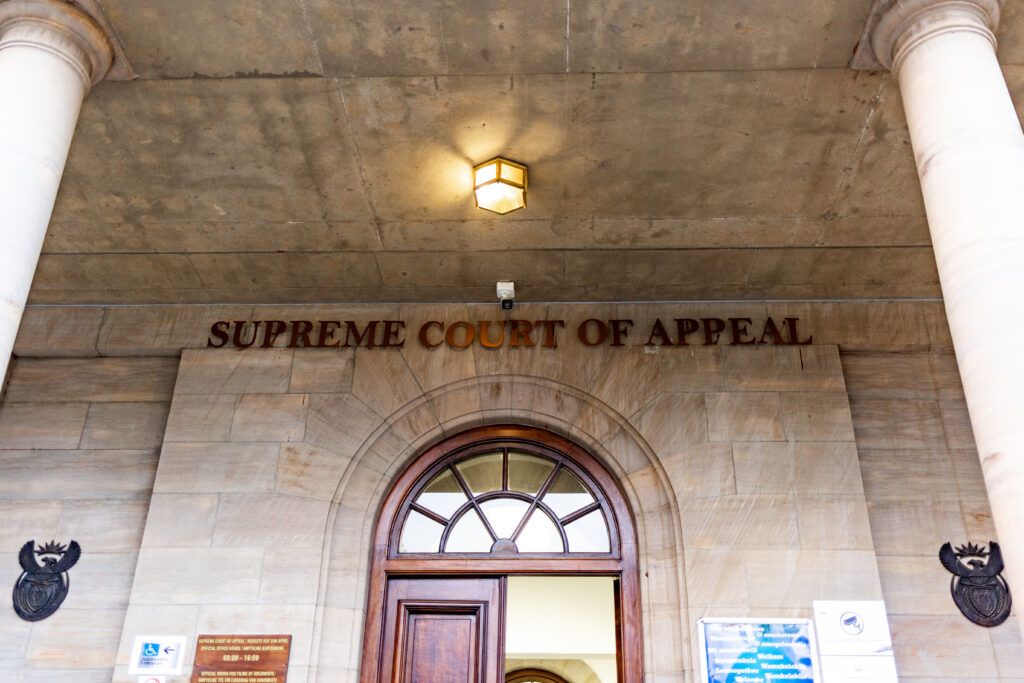
On the role of a correspondent attorney in South Africa’s judicial capital and why the firm you appoint there matters more than the distance suggests. Most litigation in South Africa is fought from somewhere other than Bloemfontein. Counsel sits in Sandton, instructing attorneys work out of Cape Town or Durban, and the client may never […]
South Africa Clarifies Divorce Rights in Muslim Marriages: Talaq No Longer Avoids Civil Law Protections

Recent developments in South African family law have brought much-needed clarity to the intersection between Islamic divorce practices and civil legal protections. A significant High Court ruling has confirmed that the pronouncement of talaq does not remove a woman’s right to seek relief under the Divorce Act, particularly in relation to interim maintenance and financial […]
Attorneys in Bloemfontein | Mayet & Associates Attorneys

Leading attorneys in Bloemfontein offering commercial law, litigation, labour law and correspondent services. Trusted, responsive and results-driven. Attorneys in Bloemfontein Mayet & Associates Attorneys is a leading firm of attorneys in Bloemfontein, providing strategic, commercially focused legal services to corporate and private clients. Our team combines deep legal expertise with a practical, results-driven approach, ensuring […]