
What Instructing Firms Should Know
The city is the seat of the Supreme Court of Appeal and the gateway to two jurisdictions. Choosing the right correspondent there is a practical decision with real consequences for your file.
By Zurayda Mayet · Director, Mayet & Associates Inc. · 13 June 2026
Every litigation practice eventually meets the edge of its own jurisdiction. A matter heads on appeal, an estate falls under a Master in another province, a judgment has to be enforced where the assets sit. At that point the work does not stop, it passes to a correspondent attorney, a local agent who appears, serves, files and lodges on your behalf while you keep conduct of the matter and the client. For a great deal of South African litigation and that local agent sits in Bloemfontein.
It is worth being deliberate about who that agent is. A correspondent is not an administrative afterthought to be chosen on price alone. On the day a record has to be lodged or an appearance made, the correspondent is your firm in that registry, and the quality of the attendance lands on your file, not theirs.
Why Bloemfontein is different
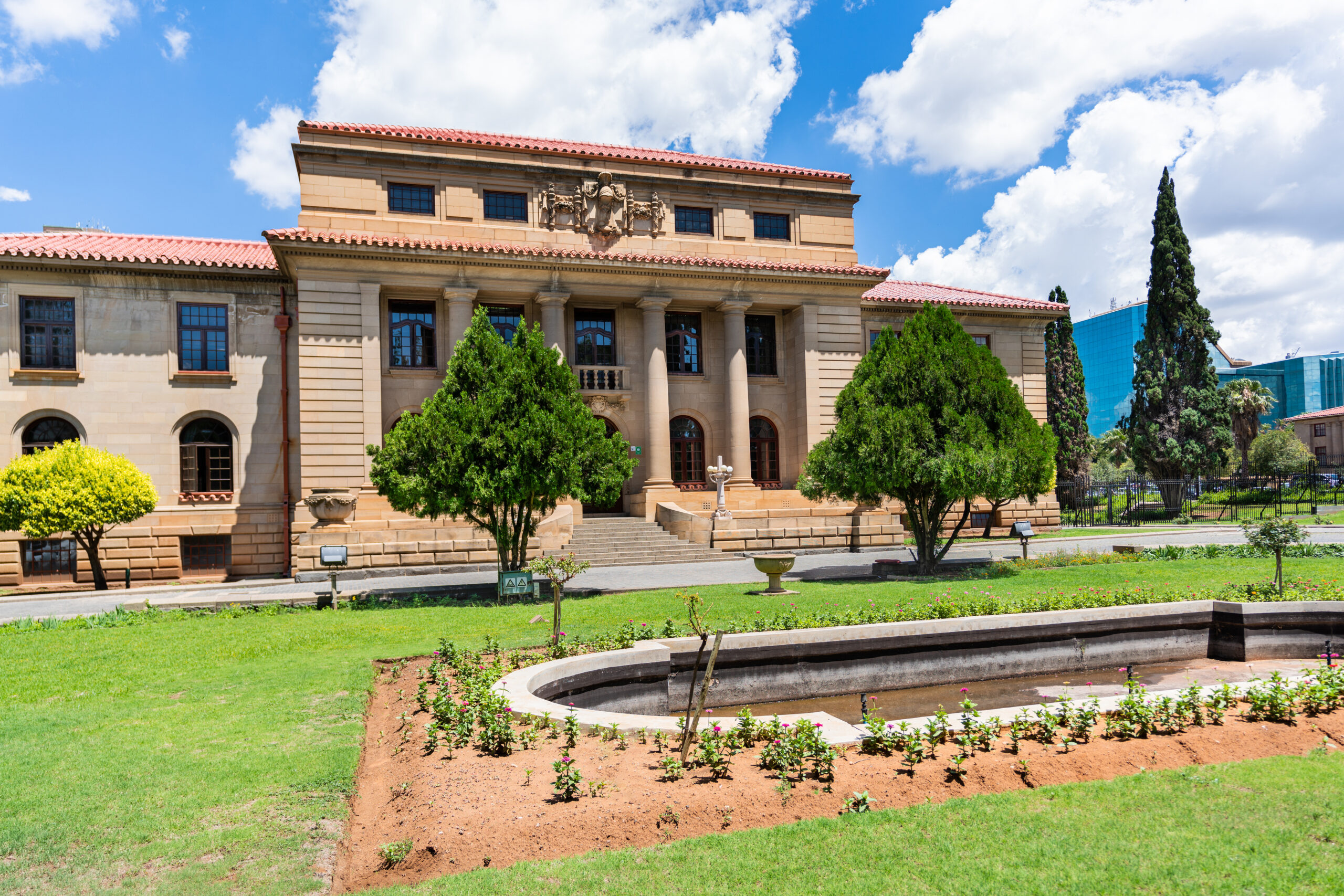
Most cities have a High Court and the usual registries. Bloemfontein has something no other city in South Africa has: it is the seat of the Supreme Court of Appeal. Any firm carrying a matter on appeal, lodging an appeal record, serving appeal documents, bringing an application for leave to appeal or a petition, needs feet on the ground in Bloemfontein, because that is where those steps physically happen.
Around the Supreme Court of Appeal sit the rest of the registries a correspondent is asked to cover: the Free State Division of the High Court, the District and Regional Magistrates’ Courts, the Master of the High Court for estates, trusts and insolvencies, the Deeds Registry, and the Office of the Family Advocate. A firm without a Free State presence touches all of these through a correspondent.
A correspondent is not a postbox. On the day, they are your firm in the room and the appeal record either complies with the Rules or it does not.
What to look for in a correspondent
When you are deciding who to instruct, a few things separate a correspondent who protects your file from one who simply runs errands:
- Proximity to the right registries. The correspondent should routinely appear in the courts and offices your matter touches, not occasionally.
- Appeal-record discipline. If Supreme Court of Appeal work is in play, ask whether they prepare and check records for compliance with the Rules, a non-compliant record costs you time you may not have.
- Reporting back. You want confirmation, with proof, on the same day wherever the registry allows, not a status you have to chase.
- Fee certainty. Scope and cost confirmed in writing before the attendance, so nothing unexpected reaches your account.
How instruction usually works
The mechanics are straightforward. You send the brief, the documents to be served, filed or lodged, the court or registry, and the deadline. The correspondent confirms scope and fee in writing, attends to the appearance, filing or lodgement, and reports back with proof for your file. The client relationship and conduct of the matter stay with you throughout; the correspondent acts only on your instruction.
A note on fees
Routine attendances, service, filing, lodging, are generally charged per attendance in line with the applicable tariff. Court appearances, appeal records and agency collections are quoted on instruction, because the work involved varies. The mark of a well-run correspondent is not the lowest line item but the absence of surprises: a fee confirmed before the work, and an attendance you never have to redo.
Choosing a correspondent in Bloemfontein, then, is really a question of who you trust to stand in your place before the Supreme Court of Appeal and the registries that surround it.
Frequently asked
What is a correspondent attorney?
A correspondent attorney is a local agent instructed by another firm to carry out steps in a matter that fall within a jurisdiction where the instructing firm does not practise. The correspondent appears, serves and files process, lodges documents and reports back, while the instructing attorney keeps conduct of the matter and the client relationship.
Why do firms need a correspondent in Bloemfontein specifically?
The Supreme Court of Appeal sits in Bloemfontein, alongside the Free State Division of the High Court, the Master, the Deeds Registry and the Magistrates’ Courts. Any firm with an appeal, a Free State matter or a registry attendance it cannot reach in person needs a correspondent on the ground in Bloemfontein.
Can one firm act as correspondent in both South Africa and Lesotho?
Yes, where the firm is admitted in both jurisdictions. A firm admitted before both the Legal Practice Council in the Free State and the Law Society of Lesotho, with offices in Bloemfontein and Maseru, can carry a cross-border matter as a single team rather than relaying it between two separate agents.
How are correspondent attorney fees charged?
Routine attendances such as service, filing and lodging are charged per attendance in line with the applicable tariff. Court appearances, appeal records and agency collections are quoted on instruction. A well-run correspondent confirms the fee in writing before acting.
ABOUT THE FIRM
Mayet & Associates Inc. acts as correspondent attorneys before the Supreme Court of Appeal, the Free State High Court and the registries of Bloemfontein. Admitted before the Legal Practice Council (Free State) and a Level 1 B-BBEE contributor.
Bloemfontein: 14 Louw Wepener Street, Dan Pienaar, Bloemfontein, 9301
Email: info@mayet.law
Tel: 051 492 5668